Two product lines for corrosive service

PTFE lined piping handles the fluid path. Shell & tube exchangers handle the heat duty. Both are built to your drawings, in the same factory, and can ship in one container.

LINE 01

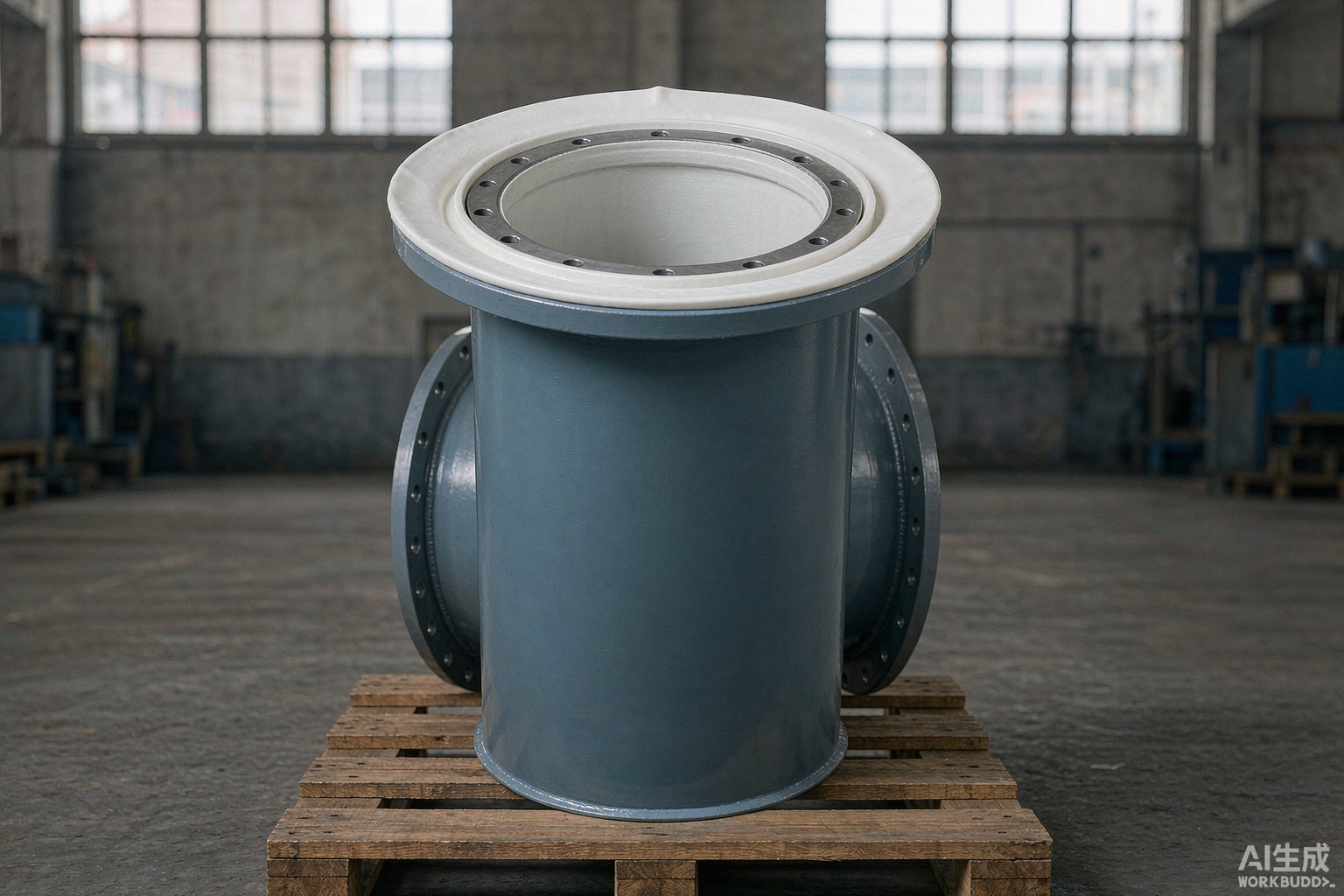
PTFE Lined Steel Pipe

A carbon steel or stainless steel pressure boundary carrying a virgin PTFE lining. The steel takes the mechanical load; the PTFE takes the corrosion. That combination is what makes lined pipe economical against solid alloy pipe in aggressive service.

  • Size range DN25 – DN600 (1" – 24"), larger on request
  • Base pipe: carbon steel or stainless, per your specification
  • Virgin PTFE lining — regrind is not substituted
  • Loose lining for general service; tight lining for vacuum or thermal cycling
  • Flanges to ASME B16.5 / DIN / GB, RF or FF facing
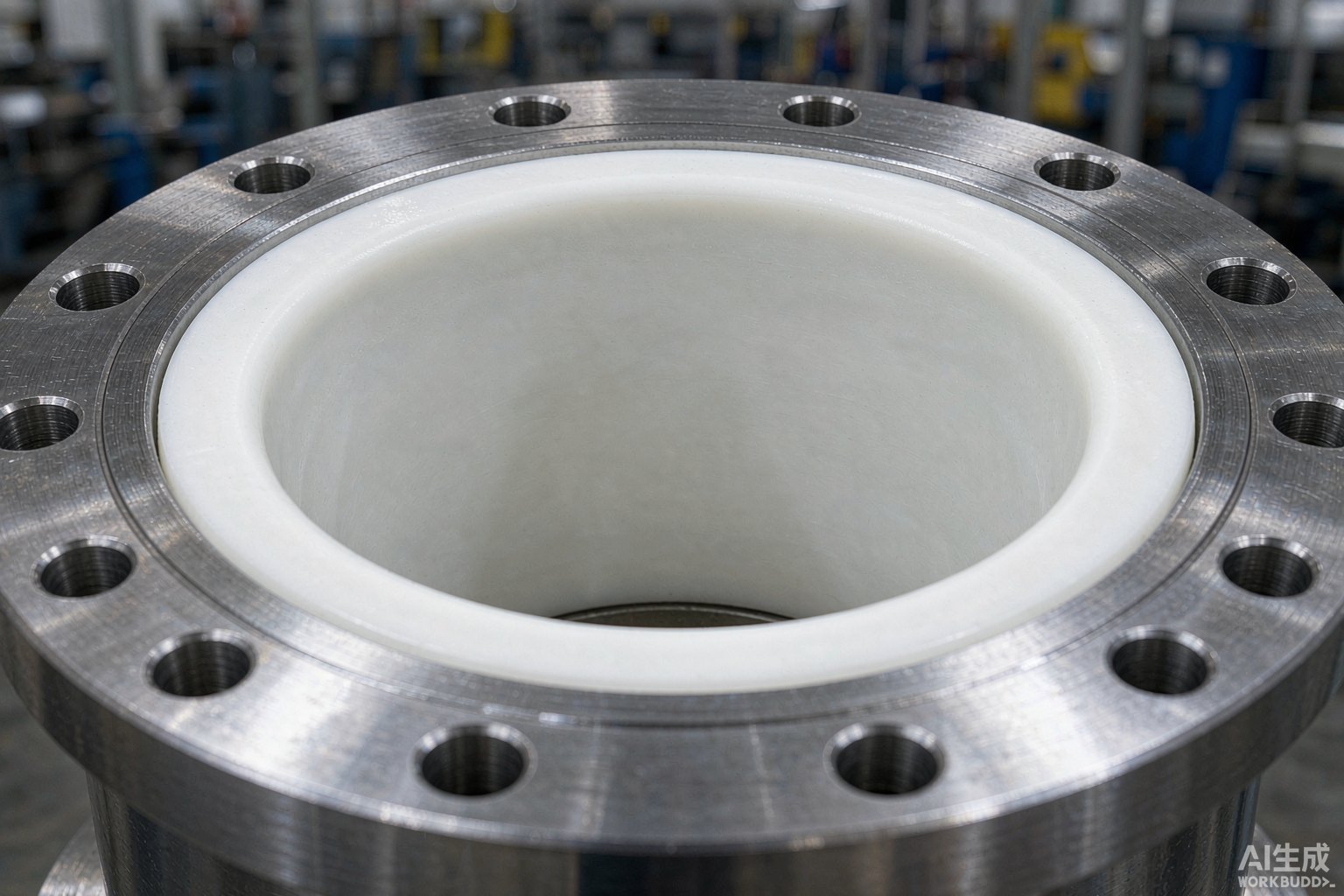
  • Lining turned over the flange face to protect the sealing surface
Request a quotation →
Close-up of a PTFE lined pipe flange face
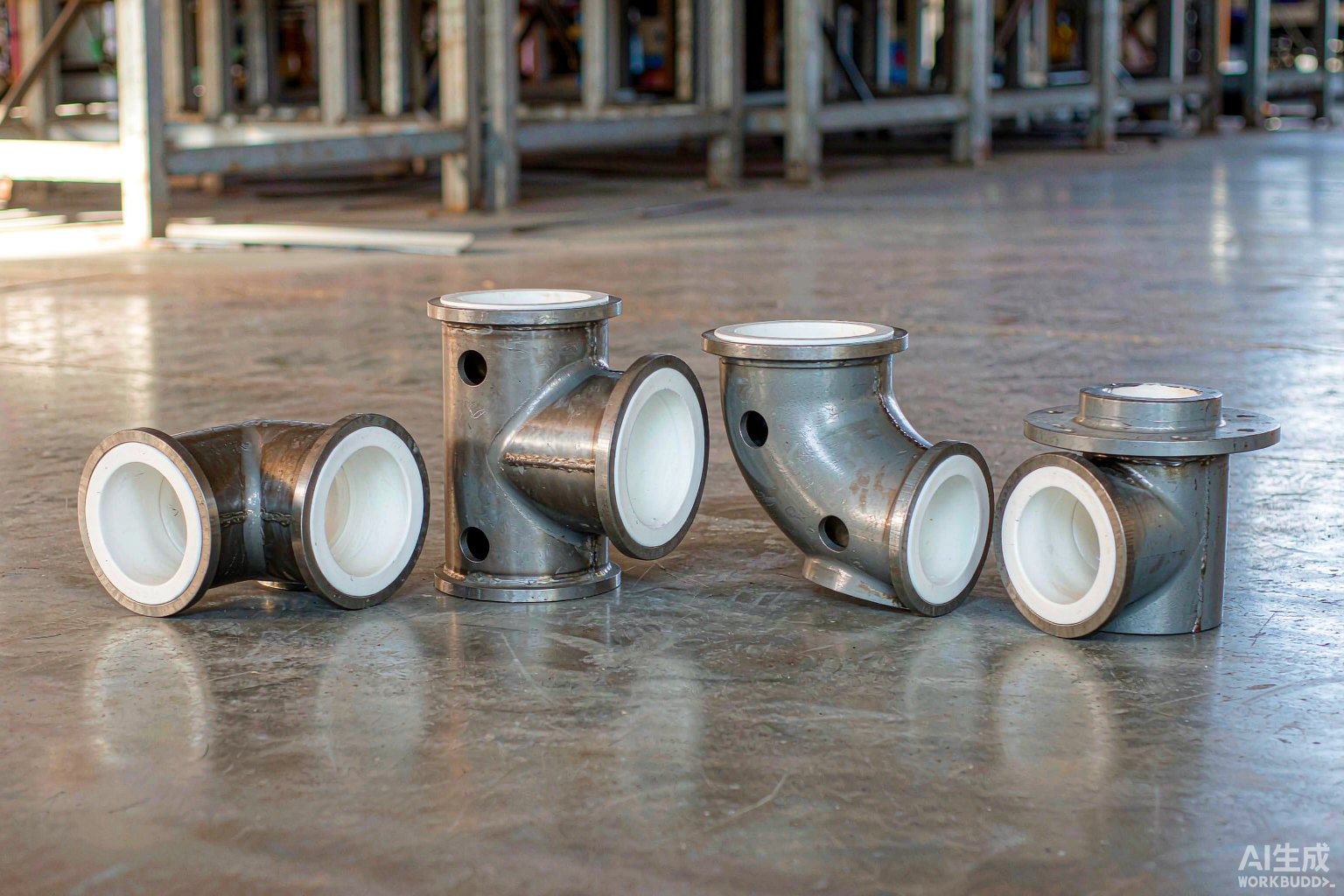
PTFE lined elbow, tee and reducer fittings
LINE 01

Lined Fittings

The weakest point of a lined system is usually the fitting — not the straight pipe. We line elbows, tees and reducers with the same material and thickness logic as the pipe run, so there is no thin spot in the system.

  • Elbow 90° and 45°, long or short radius
  • Equal and reducing tee, cross
  • Concentric and eccentric reducer
  • Lining continuous through the bore — no exposed steel
  • Same flange rating as your straight pipe
LINE 01

Fabricated Spools to Drawing

Send the isometric. We cut, weld, line, test and mark each spool so it drops into your site without field modification. Every spool is tagged with its drawing number.

  • Built from your isometric or GA drawing
  • Welded by qualified welders, per your WPS where specified
  • Lined, then hydrostatically tested and spark tested
  • Flange face protection and end caps for transport
  • Tagged and packed per your marking schedule
Fabricated pipe spools staged in the workshop
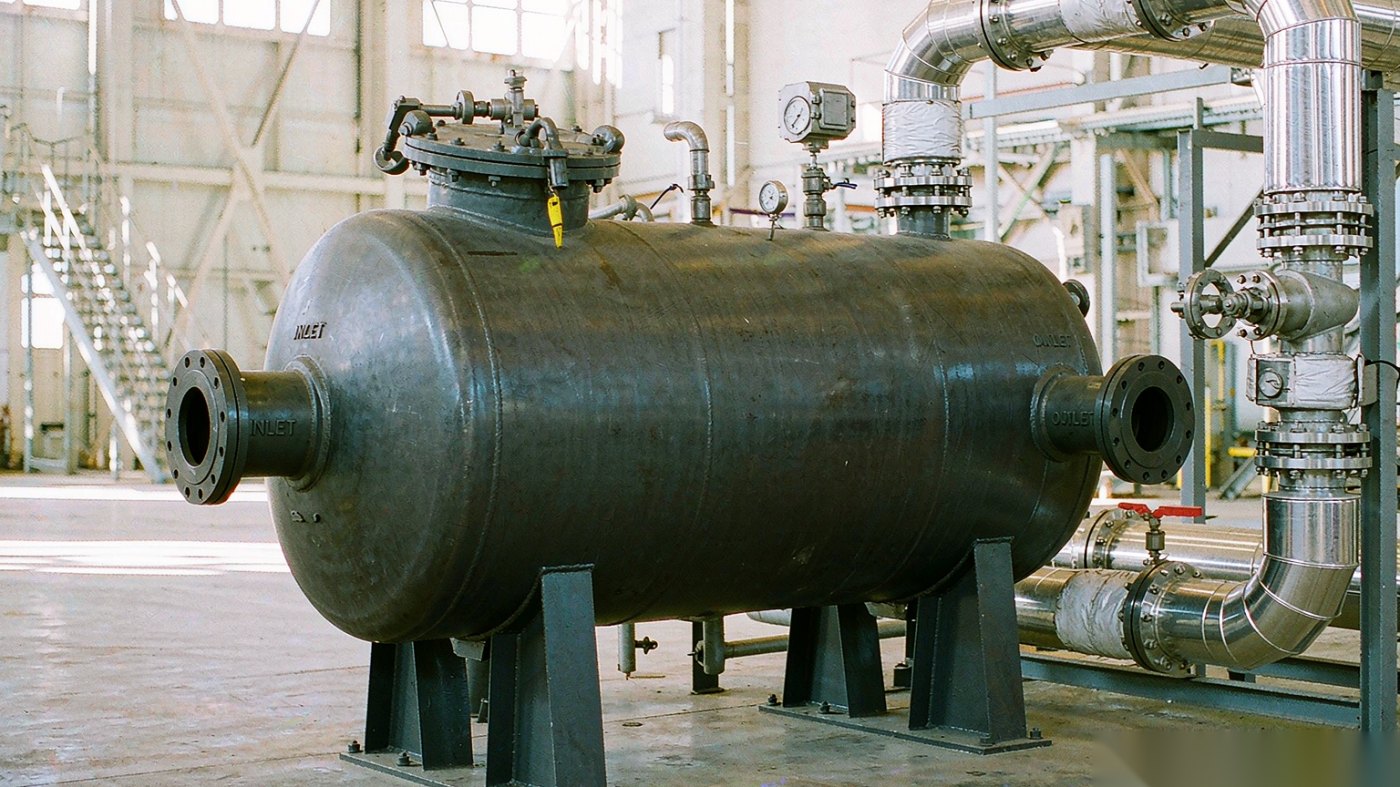
Shell and tube heat exchanger connected to process piping
LINE 02

Shell & Tube Heat Exchangers

We build to your thermal duty and your medium — not to a fixed catalogue. Tube material is selected from 316L, 304, Duplex 2205, TA2 titanium, silicon carbide, carbon steel or copper alloy depending on what actually flows through the tubes.

  • Fixed tube sheet or U-tube construction
  • Tube and shell material matched to the process medium
  • Designed to ASME VIII Div.1 / GB151 / TEMA as specified
  • Nozzles and flanges to your piping class
  • Hydrostatic test with report; documentation for import

Note: we do not manufacture PTFE tube-bundle exchangers. Our tubes are metallic or SiC.

MATERIAL SELECTION

Which material for which medium

A quick reference. Final selection is always confirmed against your concentration, temperature and operating pressure.

Heat exchanger tube material guide

316L stainlessGeneral chemical service, organic acids, mild chlorides
304 stainlessNon-aggressive water and utility service
Duplex 2205Chloride stress corrosion risk, higher strength requirement
TA2 titaniumSeawater, brine, hypochlorite, wet chlorine
Silicon carbide (SiC)Hot concentrated acid, high thermal conductivity requirement
Carbon steelNon-corrosive oil, steam and utility duties
Copper alloyCooling water, condenser and marine duties
Not sure which one? Send the medium, concentration and temperature — we will put a recommendation in writing with the quotation.
TO QUOTE FAST

What to send us

The more of this you include, the faster and more accurate your quotation.

For lined piping

Medium + concentration, temperature, pressure, sizes and lengths, flange standard, quantities, drawings if available.

For heat exchangers

Heat duty or area, flow rate and inlet/outlet temperature both sides, medium both sides, allowable pressure drop, design code.

For both

Destination port, required documents, inspection requirement, target delivery date.

Send your RFQ →

Send us your drawing — get a quote within 24 hours

One RFQ can cover both your lined piping and your heat exchanger.